


KYB China China KYB, Business Verification & Risk Requirements

Overview
China’s KYB landscape at a glance
Fragmented registries, layered ownership, and language barrier China toughest markets to verify.
See Overview
Challenges
Why China is difficult to verify
Corporate data is spread across multiple systems, inconsistently, and often available only in Chinese.
See Challenges
Requirements
What you need for accurate KYB
Verified registry access, clear ownership visibility, structured translations, and AML signals.
See Requirements
Resources
For China-focused teams
Access data sources, verification standards, and tools that help teams complete KYB, UBO, and AML checks.
See ResourcesAn Overview of KYB & UBO in China China Jurisdiction Overview
Publicly available company information is mainly accessed via the National Enterprise Credit Information Publicity System (NECIPS), China’s primary national platform for business-licence data, corporate filings, and regulatory disclosures.
This jurisdiction profile summarises the key factual elements relevant to understanding corporate information in China.
Challenges in China-based KYB, UBO and Business Verification When Verifying Companies In China

Language and Terminology Barriers
Official registry data is published entirely in Simplified Chinese, requiring accurate translation to correctly interpret legal and compliance-critical information.
Interpreting Business Scope Requirements
The business licence includes a Business scope field that defines the Activities a company is legally allowed To perform. Misinterpretation can lead To onboarding companies that are not Authorised to operate in a given sector.

Complex Corporate Structures
Ownership structures may involve Layered holdings, provincial Registrations, and state-linked Entities, making it difficult to identify Controlling parties without detailed Analysis.

No Centralised UBO Register
China does not maintain a public Register of ultimate beneficial Ownership. Ubo must be determined From shareholder disclosures, Historical filings, and related records.
Official Platform Access Difficulty
Intermittent overseas access and Chinese-language CAPTCHA checks can hinder the retrieval of official data and disrupt operational workflows.

Frequent Corporate and Regulatory Updates
Changes to business scope, legal representatives, and licence status occur frequently, making ongoing monitoring important for maintaining accurate KYB results.
China KYB Compliance Requirements For China KYB, Verification & Risk Assessment
Essential Identifiers for Companies in China
China uses a small set of core identifiers to match companies to official registry records.
Unified Social Credit Code (USCC)
China’s universal 18-digit identifier is assigned to every Registered entity. It is the primary key used across all
government systems to match and track companies.
Official Registered Name
The entity’s legal name in Simplified Chinese. This is the authoritative reference used in NECIPS and AMR records and
is required for accurate entity matching.
Registered Region
A provincial or municipal SAMR bureau supervises each company. This region determines which registry holds its
filings and historical changes.
Supporting Identifiers
Some companies list English names, industry codes or digital presence information; these may assist contextually but
are not used for formal record matching.
Common Public Documents Available in China
China publishes several standard corporate documents through its national and provincial registries, though availability varies by region and entity type.
Business Licence
China’s primary corporate record. It lists the USCC, the legal representative, the registered address, and the permitted
business activities.
Annual Report
Filed annually and publicly available through NECIPS. Reports include core operational details, compliance disclosures,
contact information, and changes in business activity.
Shareholder & Equity Filings
Public disclosures detailing shareholders, equity contributions, ownership movements and historical changes.
Sector-Specific Licences
Additional regulatory approvals for industries such as finance, logistics, education, healthcare and food services.
Historical Change Records
Updates filed with authorities showing past adjustments to address, business scope, registered capital or legal
representative.
Official Sources of Corporate Information
Corporate information in China is published across national, provincial and sector-level platforms maintained by government authorities.
NECIPS
The central public registry containing business-licence data, corporate filings, operational status and administrative penalties.
Provincial & Municipal AMR Platforms
Local SAMR portals, where filings may appear earlier or include region-specific details.
Industry Regulators
Authorities overseeing finance, transportation, education and other sectors publish additional licensing and compliance information.
Judicial & Enforcement Databases
Separate public systems providing court rulings, enforcement actions and disqualification records related to companies or individuals.
Chinese KYB & Business Verification Resources Compliance Insights, Explained

Understanding China’s Beneficial Ownership Filing: A Guide for Businesses
Learn how China’s new UBO filing rules affect risk, transparency, and due diligence processes
Read MoreMerchant verification in the fast-lane
Speed up merchant KYB without cutting corners—learn how real-time tools reduce onboarding risk
Read MoreBirketts LLP Partners with AsiaVerify for China & Hong Kong KYB
Birketts LLP partners with AsiaVerify to deliver real-time business verification in China and Hong Kong
Read MoreNavigating APAC’s Unique KYB, UBO & KYC Challenges
Uncover the KYB, UBO, and KYC compliance complexities that global teams face in the APAC region
Read MoreKYB China Solutions How AsiaVerify Supports KYB and UBO Compliance and Onboarding in China
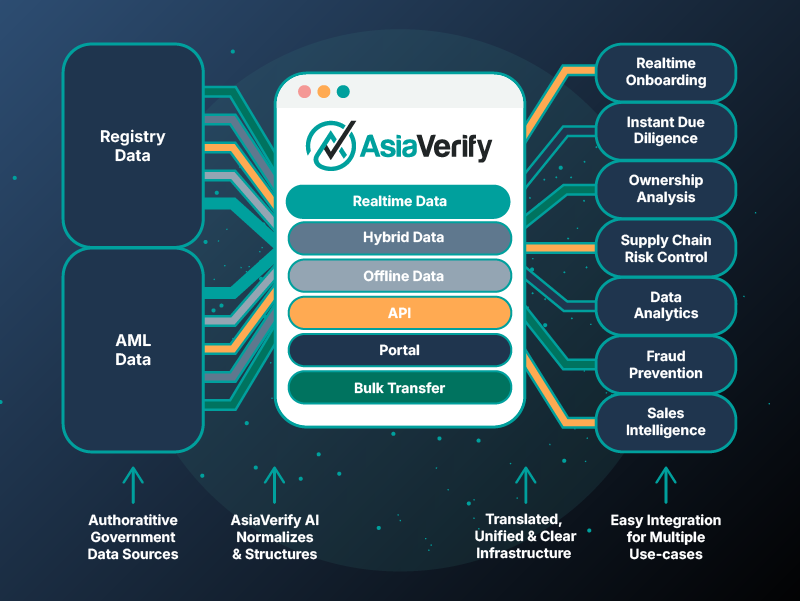
Real-time Registry Connection
AsiaVerify connects directly to NECIPS and official SAMR registry sources to retrieve live company status, registration data, and historical filings — ensuring information is current, accurate, and authoritative.
Directors & Shareholders Data
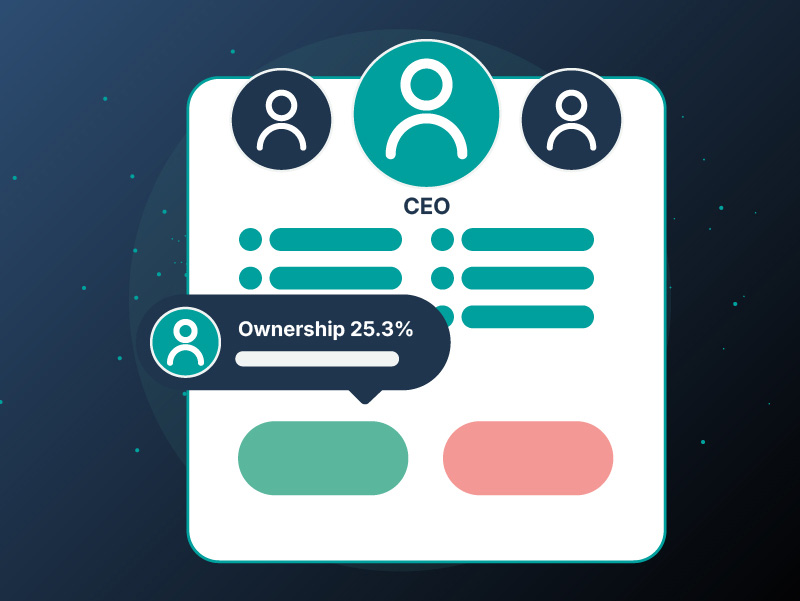
Official registry records are normalised and presented in English-ready reports, allowing teams to review legal representatives, directors, shareholders, and change histories without translation delays.
Automated Document Retrieval
Business licences, governance documents, and filing records are automatically fetched from official sources, reducing back-and-forth and streamlining document collection.
AI-assisted Translation & Normalisation
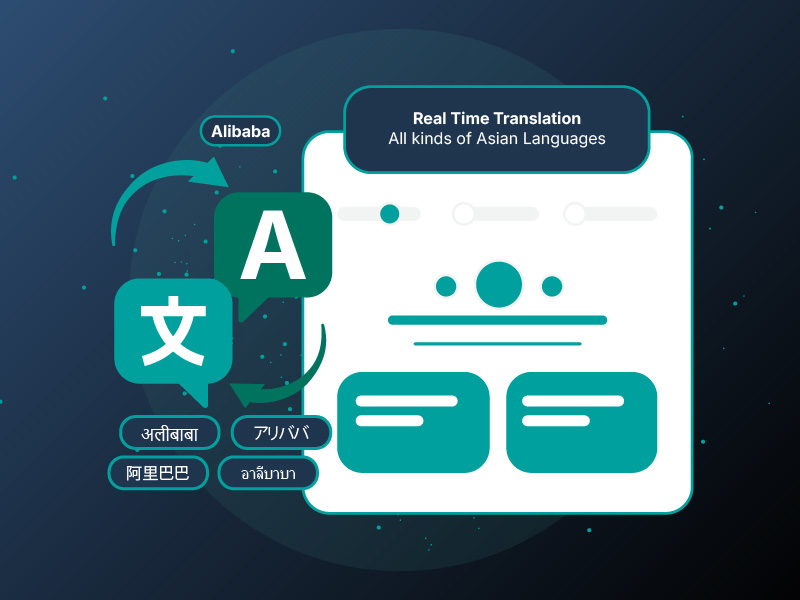
Chinese-language registry data is translated, structured, and normalised to align with international KYB standards, reducing misinterpretation of business scope, entity types, and regulatory indicators.
UBO Mapping & Ownership Analysis
AsiaVerify reconstructs ownership layers using disclosed shareholder details and historical filings, helping teams identify controlling individuals and entities across multi-tiered structures.
AML & Sanctions Screening
Entities, shareholders, and legal representatives are screened against sanctions, enforcement lists, and adverse media to support AML and CTF obligations across APAC.

API, portal and bulk access
Teams can integrate real-time verification through API, run checks on-demand in the portal, or process high volumes via bulk upload — ensuring KYB workflows match operational needs.
Ongoing monitoring & alerts
AsiaVerify continuously monitors changes to business status, registered details, shareholders, scope, and penalties, alerting teams when regulatory or structural changes occur.
From Sydney to Shanghai APAC Coverage You Can Trust













KYB & Company Search in China Need information on a Chinese company?
China KYB China Company Search and KYB FAQs
What is the official company registry in China?
The State Administration for Market Regulation, known as SAMR, is the national regulator responsible for company registration and market supervision across mainland China. Company information is published through the National Enterprise Credit Information Publicity System, known as NECIPS, which is the principal public-facing source for Chinese company registration data.
How can I search for a company in China?
Company registration information in China is accessible through NECIPS. Searches can be conducted using the company’s registered Chinese name or Unified Social Credit Code. NECIPS provides access to registration details, status and certain filing information, subject to the records available for the entity and region. Organisations requiring translated, structured or high-volume company information often use commercial API and portal services that retrieve and organise data from relevant Chinese registry sources. If you require more than a registry search, see our China Business Check and company verification guide. Ready to check a business? Search Chinese Companies instantly through the AsiaVerify platform.
What information is available from the China company registry?
Chinese company records may include the registered name, Unified Social Credit Code, entity type, registered address, legal representative, registered capital, business scope and operational status. Depending on the entity and available records, annual reports, administrative information, shareholder disclosures and business-irregularity information may also be available. The information disclosed varies by entity type, registration region and filing completeness. AsiaVerify’s China coverage includes company registration, director and shareholder information, as well as supported legal alerts, enforcement actions, business-irregularity information and official documents.
Can I check whether a company is active in China?
Company status and business-irregularity information may be available through Chinese registry records. The records can help determine whether a company is currently registered and whether relevant status changes or irregularity indicators have been recorded. The information available depends on the entity, region, filing history and regulatory processing. Organisations requiring ongoing oversight may also use AsiaVerify’s Perpetual KYB solution to monitor supported entities and identify relevant company changes over time.
Can I find company directors in China?
Chinese company records commonly identify the legal representative authorised to act for the company. Depending on the entity type and records available, further information about directors, supervisors or other key individuals may also be obtained. AsiaVerify’s China KYB coverage includes supported director and key-person information drawn from relevant registry sources.
Can I identify shareholders or beneficial owners in China?
Shareholder information may be available through Chinese registration records, annual reports and related filings, depending on the entity and information disclosed. China does not maintain a comprehensive, publicly searchable central register of ultimate beneficial owners. Identifying ownership may therefore require analysis of shareholder disclosures, historical filings and multi-layer corporate structures. AsiaVerify’s UBO software provides broader UBO analysis across jurisdictions and Direct UBO results for supported domestic Chinese companies using registry-provided information.
Is the China company registry publicly accessible?
NECIPS provides public access to registration information for companies registered across mainland China. The information available depends on the entity type, registration region and filing completeness. Access may also be affected by platform availability, language requirements and search controls. More detailed records may require supplementary registry, provincial or commercial data sources.
Does the China company registry charge a fee?
Access conditions vary by source and the information required. Basic company information may be available through public registry searches, while translated records, structured data, official documents and detailed ownership analysis may be provided through commercial services. Any applicable charges depend on the source, document and service used.
How often is company information updated in China?
Chinese company information is updated as companies submit filings and the relevant authorities process changes. The currency of a record therefore depends on statutory filing requirements, company filing behaviour and regulatory processing. Annual reports and recorded changes may provide additional information about the company’s activities, ownership or status. Because registry information changes over time, many organisations supplement periodic reviews with ongoing monitoring to identify material updates more quickly. AsiaVerify supports ongoing monitoring for supported entities through its Perpetual KYB capabilities.
What is the difference between a company registry search and company verification in China?
A company registry search provides access to corporate records held by SAMR and published through NECIPS, such as registration details, operational status, and certain filing information. Company verification uses registry information alongside additional ownership, identity, and risk checks to support KYB and due diligence processes. For a detailed explanation of company verification in China, see our China Company Verification Guide.
Can foreign companies be searched in the China registry?
Foreign-invested companies, locally incorporated subsidiaries and registered branches may be included in Chinese company records where established under the applicable registration framework.
Why do organisations use China registry data for KYB and due diligence?
Registry data provides a government-sourced foundation for KYB and corporate due diligence on Chinese entities. It can be used to confirm legal existence, registration details, company status, key individuals and disclosed shareholders. Organisations may combine this information with ownership analysis, official documents, entity matching, legal and enforcement indicators, sanctions and PEP screening, and broader risk assessment to support onboarding and ongoing due diligence. Registry information is commonly combined with ownership analysis, AML screening, due diligence and ongoing monitoring to support onboarding and third-party risk management.
What is the difference between SAMR and NECIPS in China?
SAMR and NECIPS serve related but distinct functions. The State Administration for Market Regulation (SAMR) is the national regulatory body responsible for company registration and market supervision across mainland China. Registration is administered at a local level through provincial and municipal Administrations for Market Regulation (AMRs) operating under SAMR’s framework. The National Enterprise Credit Information Publicity System (NECIPS) is the public-facing platform through which company registration data, annual reports, administrative penalties, and other regulatory information are made accessible to the public. SAMR administers the registry. NECIPS is the primary access point for that information.
Which registry should I use to search for a company in China?
For most company searches in mainland China, NECIPS is the appropriate starting point. It publishes company registration information from SAMR and provincial AMRs, including basic registration details, operational status and certain annual-report filings. For more detailed, translated or structured information, organisations may use commercial data providers that retrieve, translate and structure information from relevant registry and official sources. Provincial AMR sources may also hold supplementary information for locally registered entities.
What information is not available from the China company registry?
Public Chinese company records may show registered shareholders and equity information but do not necessarily reveal the complete underlying ownership chain. China does not maintain a comprehensive, publicly searchable central register of ultimate beneficial owners. Detailed financial information and the completeness of annual-report data may also vary. Organisations requiring enhanced ownership analysis typically combine company records, shareholder disclosures, historical filings and additional analytical sources. AsiaVerify’s UBO software provides Direct UBO results for supported domestic Chinese companies using registry-provided information, with coverage dependent on the entity and records available. Because registry records may not provide a complete picture of ownership and risk, organisations often supplement a registry search with a full business check; see our China Company Verification Guide.
More on China
12 guides, insights and updates covering verification in this market.