


KYB Australia Australia KYB, UBO, Business Verification & Risk Requirements

Overview
How company verification works in Australia
ASIC-maintained registry records and corporate filing requirements.
See Overview
Challenges
Key verification constraints and limitations
Limited beneficial ownership transparency and complex ownership structures.
See Challenges
Requirements
Information and documentation typically required
Company identifiers, registry extracts, and corporate filings.
See Requirements
Resources
Guidance and reading for the Australia jurisdiction
Official sources and reference material for verifying companies in Australia.
See ResourcesOverview of KYB & UBO Compliance in Australia Australia KYB Jurisdiction
Basic company registration details and director information are generally available through official sources. However, beneficial ownership information is not fully public, and ownership structures may involve corporate shareholders or trusts. As a result, KYB checks often require combining registry data with corporate filings and supplementary sources to assess ownership, control, and ongoing risk.
This jurisdiction profile summarises the key factors relevant to verifying companies in Australia.

KYB Challenges in Australia When Verifying Companies and conducting KYB and UBO practices In Australia

Limited Beneficial Ownership Transparency
Public registry records primarily disclose legal ownership and directors. Beneficial ownership information is not consistently available through public records and may require additional documentation or analysis.

Complex Ownership Structures
Companies may be owned through corporate shareholders, trusts, or investment vehicles, which can limit visibility into ultimate control when relying on registry data alone.

Timeliness of Registry Updates
Certain changes to company details may not be reflected immediately in public records, requiring periodic review to identify material updates.

Language and Interpretation of Filings
Corporate filings are maintained in English, but legal interpretation may still be required for complex corporate or trust structures.

Availability and Scope of Corporate Filings
While core registration details are accessible, access to full filing histories or shareholder information may be limited or subject to fees.
Risk Signals Outside the Registry
Registry data alone may not capture litigation history, regulatory enforcement actions, or adverse media, which are typically identified through supplementary sources.
KYB Requirements For Australia KYB
Essential Identifiers for Companies in Australia
Australia uses a defined set of identifiers to match companies to official registry and government records. These identifiers support verification of legal existence and corporate status.
Australian Company Number (ACN)
Issued upon incorporation, the ACN uniquely identifies each registered company and serves as the primary reference for registry searches and filings.
Australian Business Number (ABN)
An additional identifier used across tax and business systems. While not all entities have an ABN, it is commonly used to verify business activity and registration status.
Registered Company Name
The legal entity name as recorded with ASIC. Verification typically involves matching the name exactly as registered, including any suffixes.
Legal Entity Type and Registration Status
Australia recognises multiple entity types, including proprietary companies, public companies, and foreign companies registered in Australia. Confirming entity type and current status is essential for KYB.
Registered Office Address
The registered office address is part of the official company record and is used to confirm jurisdiction and the service of notices.
Directors and Company Officers
Registry filings include details of directors and company officers. This information supports governance and authority checks but does not necessarily indicate beneficial ownership.
Common Public Documents Available in Australia
The availability of corporate documents in Australia depends on the entity type and filing history.
Company Extract / Current Company Information
A standard registry extract containing key company details such as ACN, incorporation date, registered address, directors, and current status.
Certificate of Registration
Issued upon incorporation, confirming the company’s legal existence.
Company Constitution
Where adopted, it outlines the company’s governance framework and internal rules.
Historical Company Records
Registry records may include historical changes to directors, addresses, or company status, supporting longitudinal due diligence.
Official Sources of Corporate Information
Corporate information in Australia is published and maintained by national authorities and supplementary sources.
Australian Securities and Investments Commission (ASIC)
Primary source for company registration and statutory filings
Australian Business Register (ABR)
ABN verification and business registration data
Judicial and regulatory databases
Supplementary sources for court proceedings and enforcement actions
Australia KYB Resources Compliance insights, explained


Australia’s Beneficial Ownership Reforms: What You Need to Know
Understand how Australia’s UBO reforms affect your compliance and corporate transparency duties
Read MoreDue Diligence Checklist for 2026–27: Regulatory Changes Impacting APAC-Linked Businesses
Due diligence checklist for 2026–27, covering key regulatory changes across the UK, EU, US, and APAC for cross-border compliance.
Read MoreKYB Australia Solutions How AsiaVerify Supports KYB in Australia
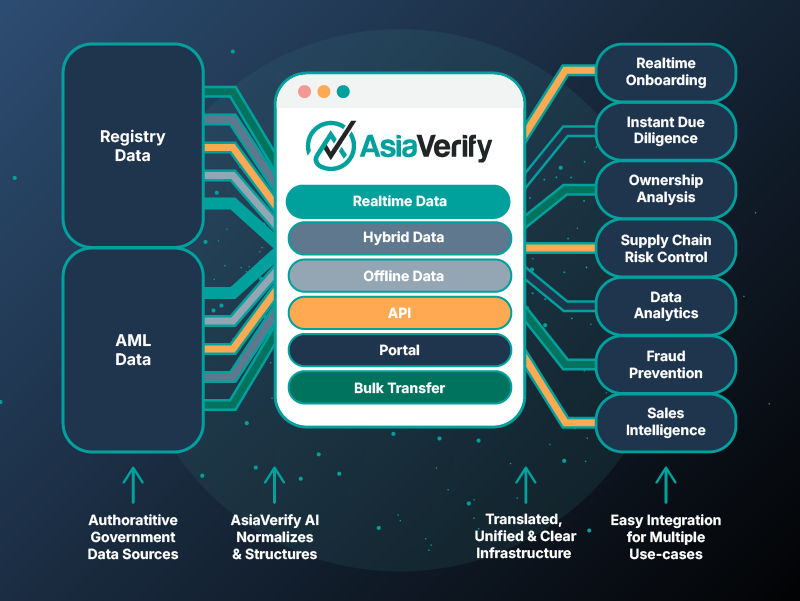
Real-time Registry Connection
AsiaVerify connects to authoritative sources to retrieve key company information and filing updates, helping teams validate entities using current, source-backed data.
Directors & Shareholders Data
Access structured data on key people and ownership where available, supporting clearer review of decision-critical relationships and changes over time.

Automated Document Retrieval
Retrieve supporting documents and filing records from the official sources, when available, to reduce back-and-forth and speed up evidence collection.
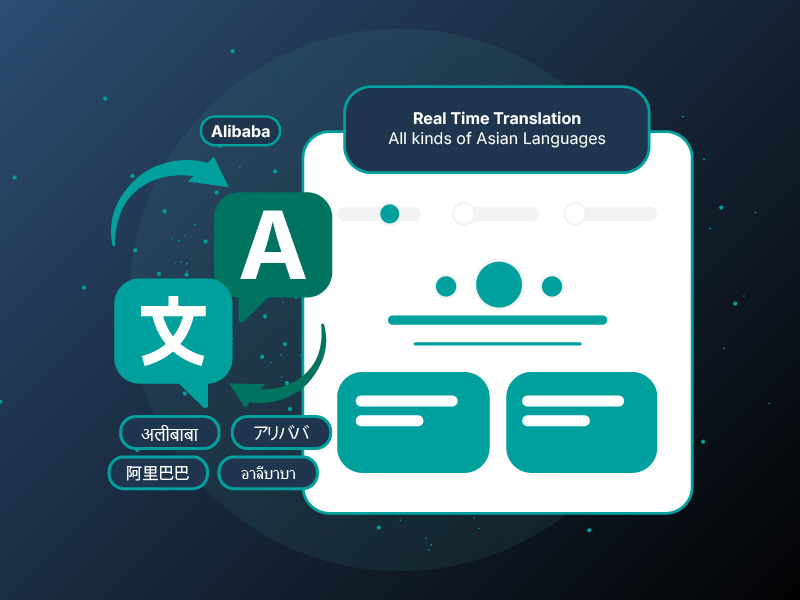
AI-assisted Translation & Normalisation
AsiaVerify uses AI to structure, normalise, and translate the registry data where required, aligning disparate inputs into a consistent, review-ready format for reliable KYB decisions.
UBO Mapping & Ownership Analysis
AsiaVerify reconstructs ownership layers using disclosed shareholder information and historical filings, helping teams identify controlling individuals and entities even in complex, multi-tier structures.
AML & Sanctions Screening
Entities, shareholders, and legal representatives are screened against sanctions and enforcement lists, as well as adverse media, to support AML and CTF obligations across APAC.

API, Portal and Bulk Access
Teams can integrate real-time verification via the API, run checks on-demand in the portal, or process high volumes via bulk upload, ensuring KYB workflows align with operational needs.
Ongoing Monitoring & Alerts
AsiaVerify continuously monitors changes to business status, registered details, shareholders, scope, and penalties, alerting teams when regulatory or structural changes occur.
From Sydney to Shanghai APAC Coverage You Can Trust














Ready to start verifying companies in Australia?
Australia KYB Australia Company Search and KYB FAQs
What is the official company registry in Australia?
The official company registry in Australia is maintained by the Australian Securities and Investments Commission, known as ASIC. ASIC registers Australian companies and certain other organisations. The Australian Business Register, known as the ABR, separately maintains Australian Business Number records for companies and other business structures. ASIC is therefore the primary source for incorporated-company records, while ABN Lookup supports broader business searches.
How can I search for a company in Australia?
Companies registered in Australia can be searched through ASIC register-search services using an organisation name, registered business name or identifier such as an Australian Company Number. ABN Lookup separately supports searches for entities holding an Australian Business Number, including companies and other business structures. Organisations requiring structured Australian company information at scale often use commercial API and portal services that retrieve and organise data from ASIC, the Australian Business Register and other relevant sources. If you require more than a registry search, see our Australia Business Check and company verification guide. Ready to check a business? Search Australia companies instantly through the AsiaVerify platform.
What information is available from ASIC?
ASIC company records include the registered name, Australian Company Number, entity type, registration date, registered-office location and company status. ASIC also provides a list of documents lodged for the entity. More detailed current or historical extracts and filed documents may be available for purchase. The information contained in an extract depends on the entity, document type and filing history. AsiaVerify’s Australian KYB coverage includes supported company-registration, director and shareholder information.
Can I check whether a company is active in Australia?
Company status information is available through ASIC’s company register. Records can help establish whether a company is registered or deregistered, while relevant documents and notices may provide additional information about external administration or other status events. ABN status can be checked separately through ABN Lookup. The currency of information depends on filings submitted and processed by the relevant authority. Organisations requiring ongoing oversight may also use AsiaVerify’s Perpetual KYB capabilities to monitor supported entities and identify relevant company changes over time.
Can I find company directors in Australia?
Information about directors and company officers may be available through ASIC company extracts and relevant filings. Depending on the extract or document requested, the information may include names and appointment or cessation details. AsiaVerify’s Australian KYB coverage includes supported director information drawn from relevant official sources.
Can I identify shareholders or beneficial owners in Australia?
Shareholder information may be available through ASIC records, company extracts and relevant filings, depending on the company type and information lodged. Public company records do not necessarily reveal the complete underlying ownership or control structure, particularly where companies are held through corporate shareholders, trusts or investment vehicles. Ultimate beneficial ownership analysis therefore commonly combines registry information with additional documents and research. AsiaVerify provides UBO analysis for supported Australian entities as part of its wider KYB coverage. For more on ownership checks, see our guide: Why Identifying the UBO Matters.
Is the Australian company registry publicly accessible?
ASIC provides public access to company and organisation information through its register-search services. Basic information, including the company name, entity type, identifiers, registration date, registered-office locality and lodged-document list, is available free of charge. More detailed company information and documents may be available for purchase. ABN Lookup separately provides public access to information about entities holding an Australian Business Number.
Does the Australian company registry charge a fee?
Basic company information is available through ASIC’s register-search services without charge. More detailed company information, current or historical extracts and lodged documents may be available for purchase. ABN Lookup provides public access to ABN information. Fees and available products are determined by the relevant authority and may change.
How often is company information updated in Australia?
Australian company records are updated as information is lodged with and processed by ASIC. The currency of the public record therefore depends on statutory reporting obligations, company filing behaviour and processing timelines. Users should refer to the relevant ASIC source and available filings when assessing whether information reflects the latest recorded position. Because registry information changes over time, many organisations supplement periodic reviews with ongoing monitoring to identify material updates more quickly. AsiaVerify supports ongoing monitoring for supported entities through its Perpetual KYB capabilities.
What is the difference between a company registry search and company verification in Australia?
A company registry search provides access to corporate records held by ASIC or the Australian Business Register, such as registration details, status, and certain filing information. Company verification uses registry information alongside additional ownership, identity, and risk checks to support KYB and due diligence processes. For a detailed explanation of company verification in Australia, see our Australia Company Verification Guide.
Can foreign companies be searched in the Australian registry?
Foreign companies registered to carry on business in Australia can be searched through ASIC’s company and organisation registers. Their records may include an Australian Registered Body Number and other registration information relevant to their Australian presence. A foreign entity holding an ABN may also appear in ABN Lookup. The exact information available depends on the entity’s Australian registration and filed records.
Why do organisations use Australian registry data for KYB and due diligence?
ASIC and Australian Business Register information provides a government-sourced foundation for KYB and due diligence. Organisations can use company and business records to confirm identifiers, registration details, status and addresses, then combine that information with supported director, shareholder and ownership analysis, field matching, AML screening and wider risk checks. Registry information is therefore an important input to onboarding and due diligence, rather than a complete risk outcome on its own. Registry information is commonly combined with ownership analysis, AML screening, due diligence and ongoing monitoring to support onboarding and third-party risk management.
What is the difference between ASIC and the Australian Business Register?
ASIC and the Australian Business Register serve different purposes. ASIC maintains records for incorporated companies and certain other registered organisations. The Australian Business Register maintains information about entities with an Australian Business Number. Australian companies generally have both an ACN and an ABN, but many ABN holders, including sole traders, are not incorporated companies.
Which registry should I use to search for a business in Australia?
Use ASIC’s company and organisation registers when searching for an incorporated company, registered Australian body or foreign company registered in Australia. Use ABN Lookup when confirming the ABN and business-registration information of a company or another business structure, such as a sole trader. For KYB and due diligence, both sources may be relevant because they contain different identifiers and registration information.
What information is not available from the Australian company registry?
Australian public registry information does not necessarily provide a complete view of ultimate ownership or control. Ownership may involve corporate shareholders, trusts or investment structures that require additional documents and analysis. Access to complete filing histories, shareholder information or other detailed records can also depend on the entity type and information lodged. Organisations conducting enhanced due diligence typically combine ASIC and ABR information with company documents, ownership analysis and additional risk sources. Because registry records may not provide a complete picture of ownership and risk, organisations often supplement a registry search with a full business check; see our Australia Company Verification Guide.
More on Australia
2 guides, insights and updates covering verification in this market.