A practical guide for cross‑border compliance teams using the Taiwan company registry for KYB and UBO verification.
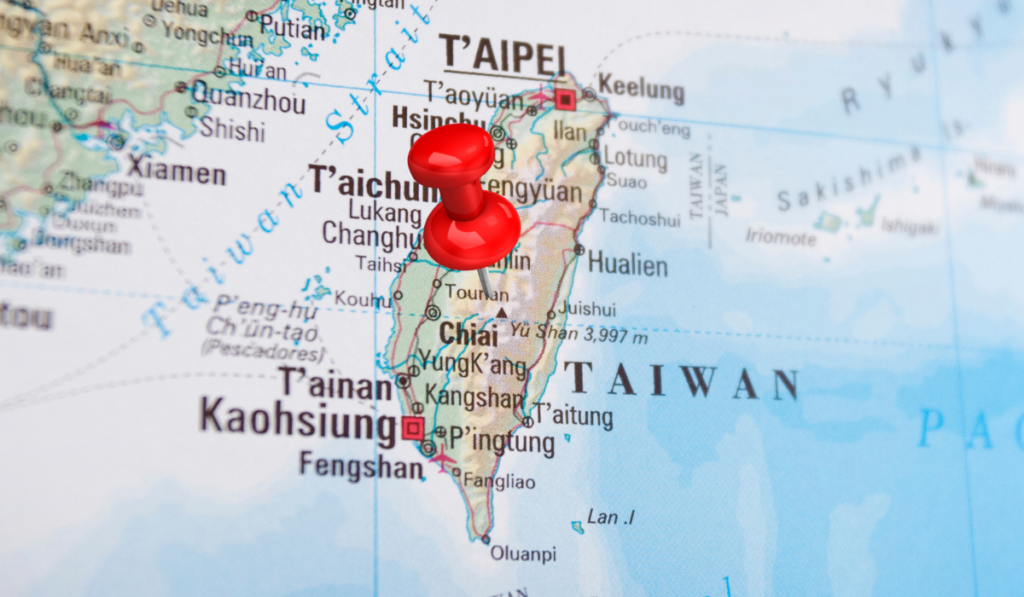
Verifying a company in Taiwan often starts with the Taiwan company registry. But relying on registry data alone can leave critical gaps in ownership, control, and risk.
There is a central company registry. Searches are public. Core company details are accessible online.
But verification rarely fails because data is unavailable. It fails when registry data is misinterpreted or treated as complete.
The Taiwan company registry is a reliable starting point. It confirms legal existence and key company details. But it does not provide a full picture of ownership or control.
This guide explains how to use the Taiwan company registry properly, what it confirms, where it falls short, and how to structure a defensible KYB and UBO check.
Seeing is faster than reading. Run a live KYB or UBO check on the free platform – no demo, no sales call.
What Taiwan Company Registry Is
Taiwan does not operate a single “Companies House” equivalent. Company registration and public records are maintained by the Ministry of Economic Affairs (MOEA) through its Department of Commerce.
The primary official platforms are:
These systems provide access to official company registration records and are the authoritative source for verifying whether a company is legally registered in Taiwan. However, they do not provide a complete view of ownership.
What the Taiwan Company Registry Confirms
A Taiwan company registry search is used to verify:
- Legal company name (Chinese)
- Unified Business Number (UBN)
- Company status (active, dissolved, revoked)
- Registered address
- Business scope
- Legal representative (responsible person)
These checks confirm that the entity exists and is legally registered, but they do not reveal who ultimately owns or controls the business.
Step 1: Locate the Company via Taiwan Company Registry
The FindBiz search engine allows searches by:
- Company name
- Unified Business Number (UBN)
- Responsible person name (less reliable)
Unified Business Number (UBN)
Every registered business in Taiwan is assigned a Unified Business Number (UBN). The UBN is an 8‑digit numeric identifier used consistently across Taiwanese government systems.
For cross‑border verification, the UBN acts as:
- The safest way to avoid name ambiguity
- The anchor for repeat checks and monitoring
- The reference used when requesting documents from the counterparty
Language risk for non‑local teams
Although an English interface exists, searches should be conducted in Traditional Chinese where possible.
- Official names are recorded in Chinese
- English results may be incomplete
- Transliterations vary across documents
For verification, the Chinese legal name should be treated as the source of truth.
Step 2: Confirm Core Registration Details
Once the company record is located, validate the core registry fields:
- Legal company name (Chinese)
- Unified Business Number (8 digits)
- Company type
- Registration date
- Current status
- Registered address
- Business scope
This step confirms whether the entity is legally registered and active.
It does not provide insight into ownership or control.
Step 3: Identify the Responsible Person
Taiwanese registry records list a responsible person, rather than a full board of directors.
This individual:
- Acts as the company’s legal representative
- Has authority to bind the company
The responsible person reflects legal authority, not beneficial ownership. Registry data shows who can act on behalf of the company and not who ultimately controls it.
Why Registry Data Alone Is Not Enough
The Taiwan company registry provides confirmation of legal existence, but ownership transparency is limited.
There is no fully public, centralised register of ultimate beneficial owners (UBOs).
This creates a gap in the verification process that must be addressed separately.
Step 4: Establish Beneficial Ownership (UBO)
To complete verification, ownership must be assessed beyond the registry.
This typically involves requesting information directly from the company to identify beneficial ownership (UBO), including:
- Shareholder details
- Corporate ownership layers
- Ultimate natural persons with control
This step helps:
- Identify beneficial ownership (UBO)
- Create an auditable ownership trail
- Align with global KYB and AML requirements
Without this step, verification remains incomplete.
Step 5: Review Business Scope and Activity
The Taiwan company registry includes a business scope description.
This can be used to:
- Confirm the company is authorised to operate in its stated activity
- Identify regulated or higher-risk sectors
- Detect mismatches between declared activity and actual onboarding use case
This is particularly relevant for fintech, payments, and platform businesses.
Step 6: Screen for Risk Indicators
Verification should extend beyond registry data.
Additional checks include:
- Sanctions screening
- Politically exposed persons (PEPs)
- Adverse media
- Regulatory or enforcement actions
A company may appear legitimate in the registry yet pose financial or reputational risk.
Step 7: Monitor Company Changes Over Time
Registry data should be treated as a point-in-time snapshot.
Key details such as:
- Responsible person
- Address
- Company status
can change over time.
Best practice includes:
- Re-checking registry data before approval
- Monitoring for changes after onboarding
- Aligning verification with ongoing risk exposure
Common Challenges in Taiwan Company Verification
- Language barriers (Chinese-only records)
- Limited ownership transparency
- Inconsistent English search results
- Manual verification processes
These challenges can increase risk if not addressed properly.
How AsiaVerify Supports Company Verification in Taiwan
Verifying a company using the Taiwan company registry is a necessary first step, but it does not provide a complete view of ownership or risk.
For teams operating across multiple jurisdictions, this often leads to gaps in ownership visibility, inconsistent data sources, and manual verification processes.
AsiaVerify helps address these challenges when verifying companies in Taiwan and across Asia.
Approaches can differ across the region, for example, when you verify a company in China, or assess entities in other APAC markets.
This enables teams to:
- Verify companies using official registry data across Asia
- Identify and map beneficial ownership (UBO) beyond registry records
- Screen companies and individuals against AML, sanctions, and adverse media
- Retrieve supporting documents from authoritative sources
- Monitor company changes and risk signals over time
This allows compliance teams to move beyond basic registry checks and apply a more consistent, risk-based approach to company verification.
Going Beyond the Taiwan Company Registry
The Taiwan company registry provides a reliable starting point for verification, confirming that a business is legally registered and active.
However, registry data alone does not provide a complete view of ownership or risk.
For organisations onboarding at scale, especially across multiple jurisdictions, relying solely on registry checks creates gaps in visibility and consistency.
A structured approach that combines registry validation with ownership analysis and risk screening is essential for effective company verification.
The data behind this guide is live and searchable.
Check any company across Asia – registry-backed, free to start.
Book a 20-min demo and see how AsiaVerify accelerates onboarding, reduces false positives, and keeps you audit-ready.